
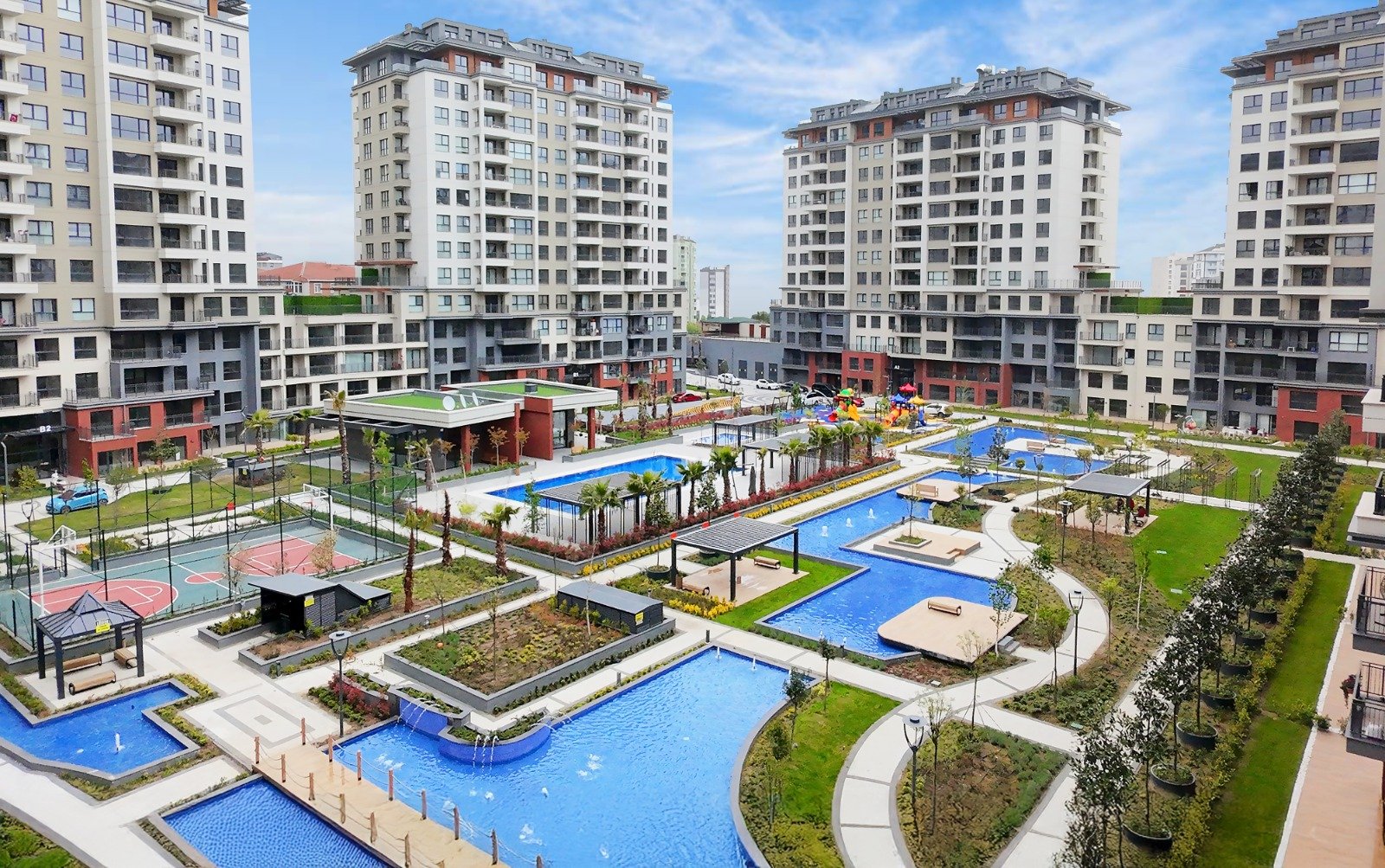
 Completed
Units Available
Beylikdüzü, Istanbul
Referans Beylikdüzü
A completed garden community with pools, themed gardens and homes up to 5+1 duplexes in Beylikdüzü, by Kiler GYO.
Discover MoreArsa Payı is the share of the plot recorded on a Turkish tapu. Learn what it means, how it shapes shared costs and what to check before buying.
When you read the title deed (tapu) of an apartment in Turkey, one line is easy to skip: the Arsa Payı, or land share. It looks like a small technical detail, yet it connects your apartment to the land beneath the building, to the shared parts of the property and to the way some of the building's running costs are divided. This guide explains what the land share is, where it appears on the deed, and what a buyer should check before signing.
In a Turkish apartment building, the land is not divided into separate plots for each flat. It belongs to all the owners together, and each apartment carries a share of it. That share is the Arsa Payı. It is recorded on the title deed of every unit, and it reflects the value of the unit within the building rather than simply its size. A larger apartment, or one with a more valuable position, usually carries a larger land share than a smaller one in the same building. Together, the land shares of all the units make up the whole plot.
The land share appears on both types of Turkish title deed, which we explain in our article on Kat İrtifakı and Kat Mülkiyeti. While a building is under construction, the deed is usually Kat İrtifakı: the land is registered in shared ownership, and each buyer holds a share of it together with the right to own a specific apartment in the future building. At this stage, the land share is the core of what is registered in your name. Once the building is finished and receives its occupancy permit (İskan), the units can be converted to Kat Mülkiyeti. The apartment itself then becomes the registered property, together with its share of the land and of the common parts of the building.
The conversion does not take your land share away. It records that the building now exists as approved, and that your apartment is a finished, separately registered unit that still owns its part of the land and of the shared areas, such as the entrances, the gardens and the other common parts of the property.
The land share also matters after you move in. In our article on aidat, the monthly fee in Turkish buildings, we explain how the law divides the running costs between owners. Unless the owners have agreed otherwise, staff costs such as the doorman, the gardener and the security guards are shared equally between the units. Most other costs, such as the building's insurance, the repair of common areas, the manager's fee and the running of shared facilities, are shared according to each unit's land share. This is why a larger or more valuable apartment usually pays a higher fee than a smaller one in the same building, and why an owner cannot refuse to pay by saying that they do not use a particular facility.
Ask to see the land share recorded on the title deed, and confirm that it matches the sales documents, together with the block, the floor, the apartment number and the area. For a home under construction, ask how the land shares of the project were set and when the deed is expected to move from Kat İrtifakı to Kat Mülkiyeti. For any building, ask for the management plan (Yönetim Planı) and check whether the owners have agreed on a different way of sharing the costs. A careful buyer asks for these documents before paying, not after. The conditions are per current law and may change.
HADARA, your real estate partner in Istanbul, is happy to explain the title deed of any project we present and to tell you which documents to request. Contact us or book a private video tour to choose the homes that interest you, then visit Istanbul to see them in person.
From our projects
A few of our projects that relate to this article. Our team is happy to answer your questions about them.
Completed
Units Available
Beylikdüzü, Istanbul
A completed garden community with pools, themed gardens and homes up to 5+1 duplexes in Beylikdüzü, by Kiler GYO.
Discover More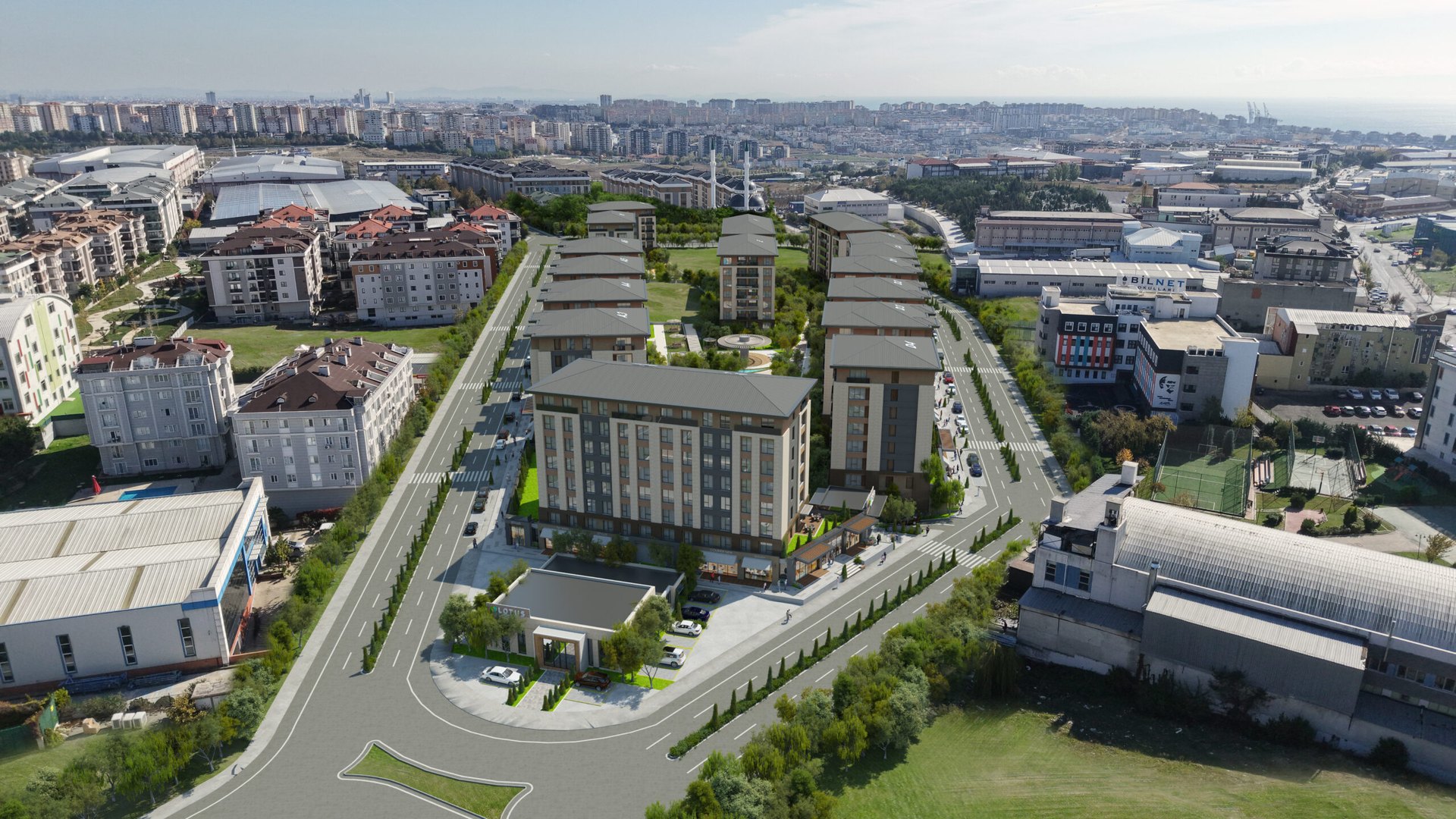 New Launch
Beylikdüzü, Istanbul
A newly launched residential project designed for modern living.
Discover More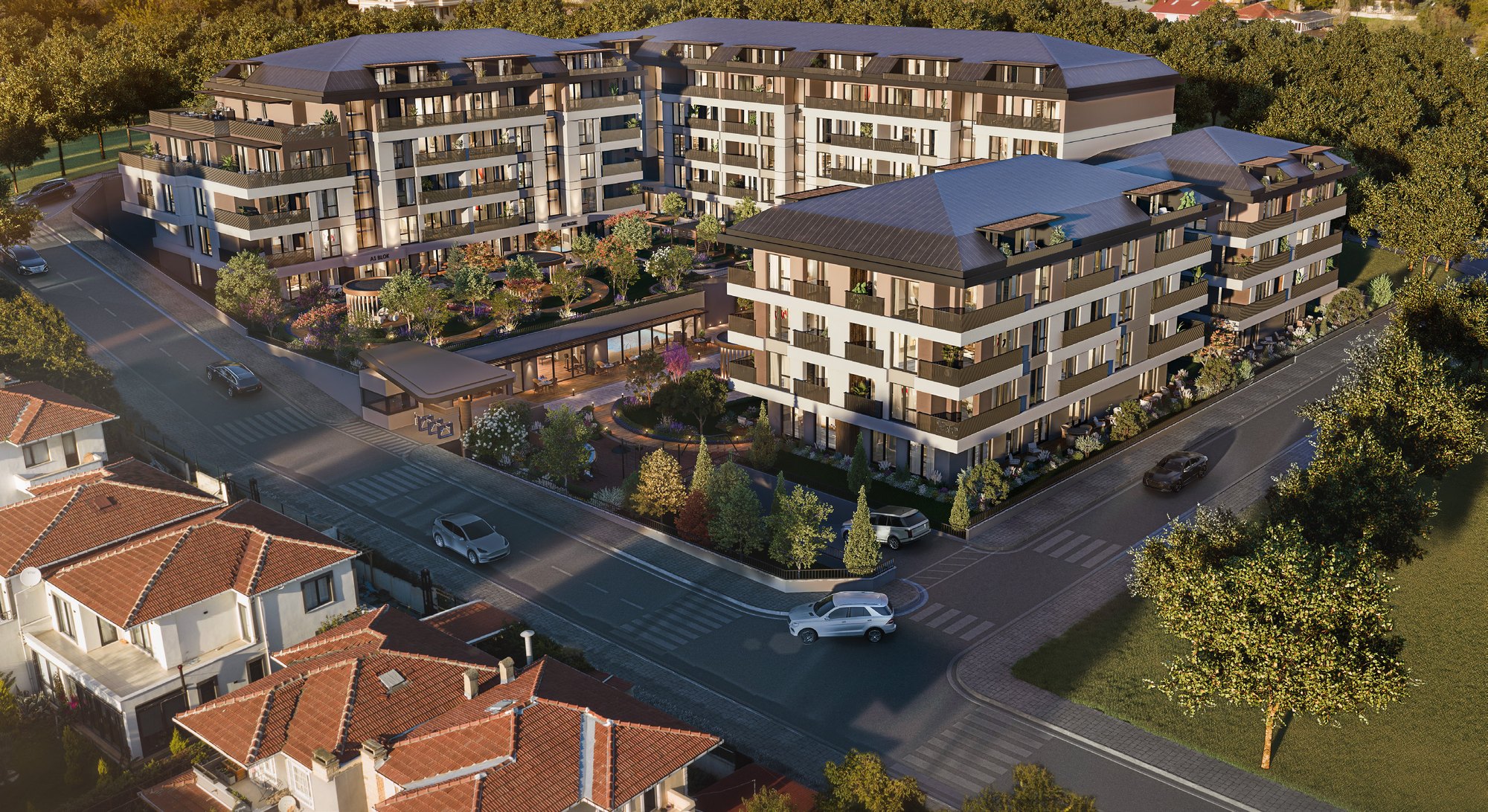 Under Construction
Units Available
Beylikdüzü, Istanbul
Where the sea meets the valley — 71 select homes beside Beylikdüzü Yaşam Vadisi.
Discover More
About Istanbul
Maltepe Istanbul guide: the Asian side by the sea and the Princes' Islands, the M4 metro, malls and parks nearby, and the Özak Dragos project.
Read Article
About Istanbul
Zeytinburnu Istanbul guide: the coast by the historic city walls, Marmaray, tram and Metrobus links, and three projects in the district.
Read Article
About Istanbul
Halkalı Istanbul guide: Marmaray and the M11 airport metro, parks and shopping nearby, and the Hayat Flora project with the Emlak Konut guarantee.
Read Article